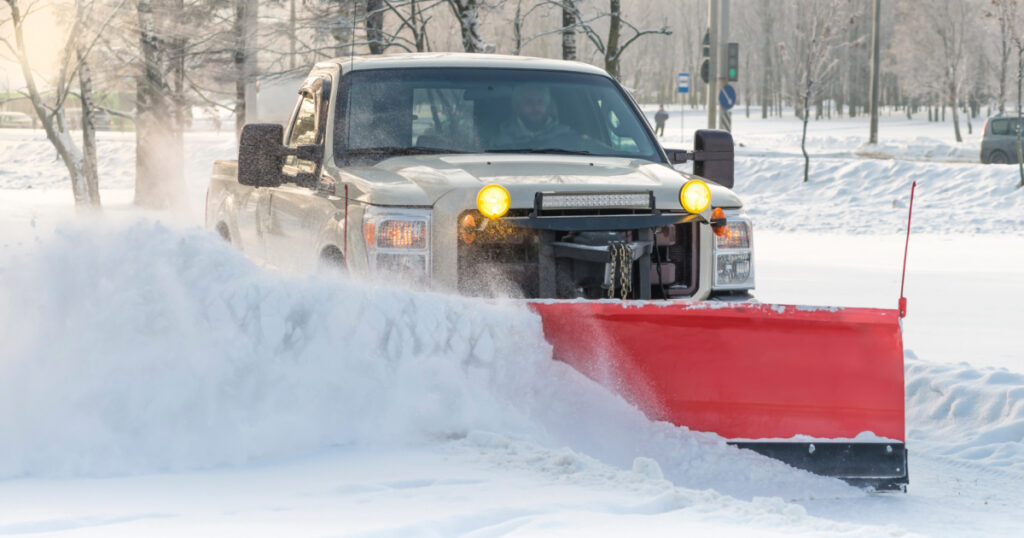
Upgrading a Western snow plow blade can be a game changer when it comes to plowing efficiency and reducing wear and tear on your equipment. I know this from personal experience-we see it all the time here at West Michigan Towable Solutions. Whether you’re a seasoned snow plow operator or just getting started, choosing the right edge for your snow plow is one of the most important decisions you can make.
With so many options available, it can be tough to decide which one suits your needs best. In this guide, I’ll help you navigate the choices so you can pick the perfect blade edge for your Western snow plow.
Steel vs. Polyurethane vs. Rubber Edges
When it comes to Western snow plow blades, the most common edges are made of steel, polyurethane, or rubber. Each material has its pros and cons, and knowing what sets them apart is the key to making an informed choice.
Steel Edges
Steel edges are the classic choice for snow plow blades, and for good reason. They’re incredibly durable and can handle just about any type of snow or ice you’ll come across. Steel edges are particularly good for breaking through packed snow and ice, which makes them ideal for commercial and heavy-duty plowing applications.
However, steel edges can be a bit rough on surfaces like concrete or asphalt. If you’re plowing residential areas, be aware that steel edges might leave scratches or damage delicate surfaces. They’re also louder, which could be an issue if you’re working in neighborhoods during early morning hours. But if you need strength and longevity, steel is tough to beat.
Polyurethane Edges
Polyurethane edges offer a solid balance between durability and surface protection. They’re tough enough to handle most plowing jobs, but also flexible enough to be gentler on paved surfaces. This makes them a popular choice for people who plow residential driveways, parking lots, or other areas where surface damage is a concern.
Polyurethane is also quieter than steel, which can be a big plus if noise is a factor. It’s worth noting that polyurethane edges might not be as effective at breaking up compacted ice as steel edges, but they still do an excellent job with regular snow. They also tend to last longer than rubber edges, providing a good mix of efficiency and longevity.
Rubber Edges
Rubber edges are the most forgiving option for plowing, especially when it comes to protecting surfaces. If you’re plowing delicate surfaces like brick driveways or decorative concrete, rubber edges are your best bet. They’re soft enough to avoid scratching or damaging surfaces, making them a go-to choice for plowing in sensitive areas.
The downside of rubber edges is that they’re not as durable as steel or polyurethane. They wear down faster, especially if you’re plowing on rough or uneven terrain. Rubber edges are also not as effective at cutting through ice, so they’re best used for lighter-duty applications where surface protection is the main concern.
When to Upgrade Your Blade Edge
Knowing when to upgrade your blade edge is just as important as knowing which edge to choose. Here are some signs that it might be time to upgrade:
- Visible Wear: If your blade edge is worn down unevenly or you’re starting to see signs of damage, it’s time for a replacement.
- Decreased Performance: If you notice your plow isn’t scraping as cleanly as it used to or it’s struggling to break through ice, your blade edge might be worn out.
- Frequent Repairs: If you find yourself frequently visiting snow plow repair shops for issues related to your blade edge, upgrading might be the solution. A worn blade can put unnecessary stress on other parts of your plow, leading to more frequent repairs.
Choosing the Right Edge for Your Needs
The type of edge you need depends on the specific plowing jobs you handle. If you mostly plow rough roads or lots with packed snow and ice, a steel edge is likely the best choice. Steel edges are strong and can handle tough conditions, making them ideal for heavy-duty plowing.
On the other hand, if you plow more delicate surfaces, like driveways or areas with softer materials, polyurethane or rubber edges are better options. They are more forgiving and help protect surfaces from damage.
For heavy-duty commercial plowing, a steel edge is usually the way to go. Steel provides the strength needed to handle demanding tasks. However, for residential jobs or areas where noise is a concern, polyurethane edges are a great choice. They offer a good balance of performance and surface protection, and they operate more quietly than steel.
If protecting the surface is your top priority, rubber edges are the best choice. They are soft and help prevent scratching or damaging surfaces, which is important for sensitive areas like brick driveways or decorative concrete. If you need something that offers more durability while still being gentle on surfaces, polyurethane edges are a solid middle-ground option.
Installation Tips for Your New Blade Edge
Once you’ve chosen the right edge for your Western snow plow, proper installation is key to getting the best performance. Here are some tips to help you:
Follow the manufacturer’s instructions carefully. Each edge type has specific steps for installation, so following the guidelines will ensure everything is secured correctly and functions well. Make sure that the blade edge you choose is compatible with your specific Western snow plow model. Using an edge that doesn’t fit properly can lead to poor performance or even damage to your plow.
During installation, make sure all bolts are tightened to the recommended level. Loose bolts can lead to uneven wear or even cause the blade to come off during use, which can be dangerous.
Maintaining Your Snow Plow Edge
Regular maintenance helps extend the life of your snow plow blade edge, no matter what it’s made of. It’s important to inspect your blade edge regularly, before and after each plowing job. Look for signs of wear, damage, or loose bolts, and fix any problems as soon as possible to keep everything working smoothly.
Another key point is to replace worn edges before they are completely worn out. A worn blade edge makes your plow less effective and can cause extra wear on the plow frame. Don’t wait too long-replacing the edge at the right time can save you trouble down the road.
If you’re not comfortable doing repairs or maintenance yourself, visiting a professional snow plow repair shop, like WMTS, is a good idea. They can help keep your equipment in top shape and make sure your blade edge is performing well.
Finding the Perfect Edge
Upgrading your Western snow plow blade edge can make a big difference in how well you plow and how long your equipment lasts. Whether you choose steel, polyurethane, or rubber, understanding the pros and cons of each option will help you make the best decision.
Remember, keeping your snow plow in good condition isn’t just about choosing the right edge-it’s also about proper installation and regular maintenance. By picking the right blade edge and taking care of your equipment, you’ll be ready for whatever winter throws your way.
If you have questions about Western snow plow repair or need help deciding which blade edge is best for you, reach out to us at West Michigan Towable Solutions. We’re here to help with all your snow plow repair needs so you can keep plowing smoothly all winter long.