
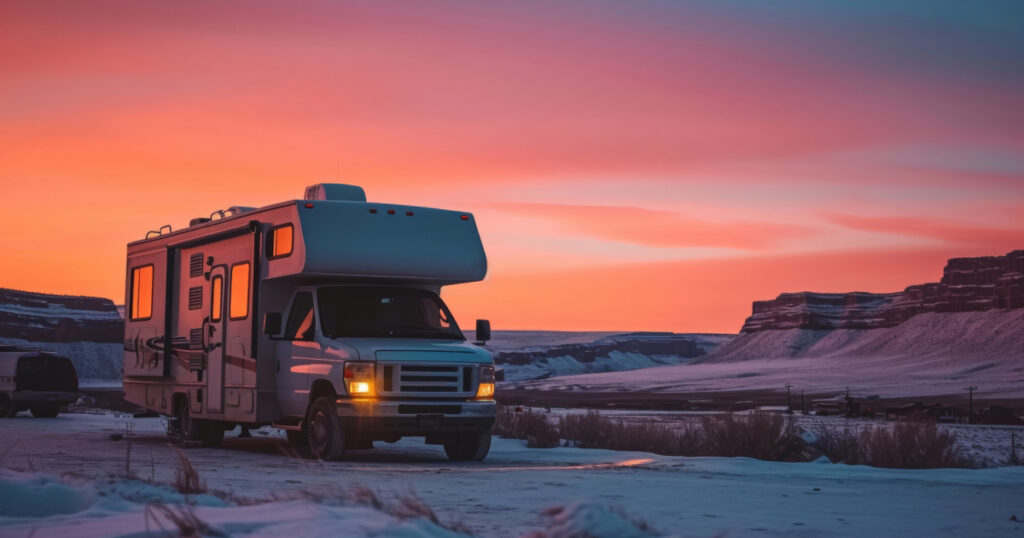
Winter can be tough on RVs, especially in Michigan where snow and ice last for months. Protecting your RV’s roof from the weather is really important if you want to keep it in good shape. With a bit of preparation and regular maintenance, you can avoid expensive repairs and make sure your RV is ready for any adventure. In this guide, we’ll show you how to keep your RV’s roof safe from snow and ice damage.
Start with a Clean Roof Before Winter Hits
One of the best things you can do for your RV before winter starts is to make sure the roof is clean. Think of it like starting fresh-you need a clean surface to keep everything in good condition. Dirt, leaves, and debris can hold moisture, which can lead to mold and damage when snow and ice pile up.
Before the cold weather arrives, grab a ladder, some gentle soap, and a soft brush. Clean the roof really well, making sure you get into all the corners. Pay extra attention to the spots around vents or seals-these areas can be especially likely to leak. By starting with a clean roof, you’re helping your RV stay in good shape all winter long.
Inspect and Repair Seals and Seams
Your RV roof has several seals and seams that help keep it watertight. These areas are some of the first to show wear and tear, which can lead to leaks if you don’t take care of them. Inspecting your seals and seams before winter is a key part of RV maintenance.
Look closely for any cracks, peeling, or gaps in the sealant. If you find anything that looks worn or damaged, fix it now rather than later. Use an RV-specific sealant to apply a fresh layer to any weak spots. It’s a simple task that can prevent a lot of problems later, especially during winter when moisture can get into even the smallest cracks.
Invest in a Quality RV Cover
One of the best ways to protect your RV’s roof from snow and ice is by using a good RV cover. It’s like giving your RV a big winter coat that keeps the worst of the weather out. Not all covers are the same, though, so it’s worth spending some time to find one that fits well and is made for winter conditions. Brands like ADCO and Classic Accessories offer high-quality RV covers that work well for winter protection.
When choosing an RV cover, look for one that’s water-resistant but also breathable. You don’t want moisture getting trapped under the cover, as that can cause mold and mildew. A good cover will help prevent heavy snow from piling directly onto your roof and reduce the risk of ice forming in problem areas. It’s an investment that gives you peace of mind, knowing your RV is well protected.
Clear Snow Off the Roof Regularly
While an RV cover can help, it’s still important to clear heavy snow off your roof regularly. The weight of snow can put a lot of stress on your RV’s structure, and if it sits there too long, it can damage the roof or even cause leaks.
Use a long-handled broom or a roof rake to carefully remove snow, being careful not to damage the roof. You don’t need to get every bit of snow off-just focus on keeping the weight down and removing big piles. Remember, safety comes first, so be careful when working around your RV in icy conditions. Wear non-slip shoes and consider having someone nearby to help in case you need it.
Keep Ice Dams in Check
Ice dams can be another problem for your RV’s roof in winter. They form when snow on the roof melts, runs down to the edges, and refreezes. Over time, this can create a dam that stops water from draining properly, leading to leaks and roof damage.
To prevent ice dams, make sure your RV is parked in a way that lets water drain easily. If you can, park your RV so that it’s slightly tilted, allowing melted snow to run off more easily. Keeping the roof clear of snow will also help reduce the chance of ice dams forming. In some cases, using heated RV roof tape along the edges can help keep ice from building up.
Regularly Check Your RV Battery and Winterize Properly
Protecting your RV’s roof isn’t just about keeping snow and ice off – it’s also about getting the rest of your RV ready for winter. This means checking your RV battery and performing regular RV battery maintenance, as well as properly winterizing your RV.
Cold weather can be tough on batteries, and the last thing you want is a dead battery when it’s time to hit the road again. Make sure your battery is fully charged before winter, and consider using a battery maintainer to keep it in good shape during the off-season.
Winterizing your RV’s plumbing system will help protect against frozen pipes, which can lead to expensive repairs. Flush the system, add RV antifreeze, and make sure everything is properly sealed.
A well-winterized RV is a protected RV, ready for whatever winter brings.
Don’t Forget the Small Details
Sometimes it’s the small details that make the biggest difference. Beyond the big steps like cleaning, sealing, and covering, there are a few extra things you can do to protect your RV’s roof from snow and ice damage.
- Check Roof Vents: Make sure your roof vents are closed tightly and not cracked. Even a small gap can let moisture in.
- Remove Accessories: If you have any removable roof accessories, like solar panels or antennas, think about taking them off for the winter. This reduces the risk of damage from ice or heavy snow.
- Use Gutter Spouts: Adding gutter spouts can help direct water away from the sides of your RV, preventing icicles and ice buildup along the edges.
Protect Your RV, Enjoy Your Adventures
Winter can be a tough time for RV owners, but with the right steps, including proper RV winterizing, you can keep your RV’s roof in great condition all season long. From starting with a clean roof to investing in a quality cover and clearing snow regularly, every bit of effort helps protect your RV from snow and ice damage.
Taking care of your RV isn’t just about avoiding repairs-it’s about making sure your RV is ready to roll when you’re ready for your next adventure. By following these simple tips, you’ll be able to enjoy your RV for years to come, no matter what winter has in store.