
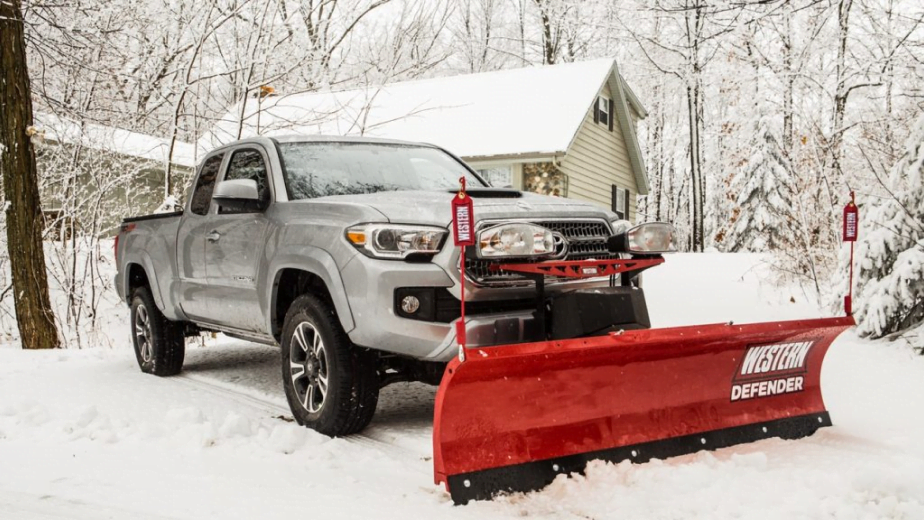
Keeping a snow plow in top shape can feel like second nature to those who’ve been plowing for years. But if you’re newer to the game or simply want a bit more insight, you might be wondering: how often should you actually service your snow plow?
A good rule of thumb is to approach it like any reliable tool that you depend on through harsh conditions-with regular care and attention. Let’s explore how often you need to service your snow plow and what goes into keeping it running smoothly.
Routine Maintenance: A Seasonal Approach
For those wondering about the specifics, the best way to think about snow plow maintenance is by breaking it down seasonally. Each time of year has its own unique requirements, and addressing them properly ensures that your snow plow keeps working efficiently when you need it most. Here’s a quick guide to how you can manage seasonal servicing to avoid surprises during peak winter months.
Pre-Season Inspection
Before the first heavy snowfall of the year, it’s wise to give your snow plow a complete once-over. Think of this as getting a car checked before a big road trip. By getting ahead of potential issues now, you’re saving yourself headaches down the road and, most importantly, avoiding breakdowns in the middle of a snowstorm.
During a pre-season inspection, key items to check include:
- Hydraulic fluid levels: Low or dirty hydraulic fluid is one of the most common issues leading to snow plow malfunctions.
- Electrical connections: Make sure wiring, connectors, and lights are functioning properly.
- Blade condition: Look for any visible damage, rust, or excessive wear and tear. Small issues here can get worse quickly.
In-Season Maintenance
Once winter is in full swing and you’re using your plow regularly, consistent upkeep becomes even more important. The more often you use your snow plow, the more attention it requires to stay in working order. A good guideline is to inspect the snow plow every 10-15 hours of use. This may sound like a lot, but a quick check can save you from costly damage or downtime.
Here are some things to focus on during in-season maintenance:
- Hydraulic System: Keep an eye on the hydraulic lines for any leaks or signs of wear. Ensure the lines are properly connected and that they’re not showing any cracks.
- Bolts and Fasteners: Plowing can be bumpy work, and vibrations can easily cause bolts to loosen. Make it a habit to check for any loose hardware after each major plowing job.
- Blade Wear: Depending on conditions, blade wear can vary. Keep your cutting edge in check; if it’s worn down too much, you’ll lose efficiency-or worse, damage the plow frame.
Post-Season Service
When the plowing season wraps up, it might be tempting to simply park the plow and forget about it until next winter. But giving your equipment a thorough post-season service can help extend its life and reduce the chances of any surprises next year. This is where true preventative care makes a difference.
After the season, focus on:
- Removing and Storing: Disconnect the plow properly and store it in a dry place. Rust can be a real problem if your plow is left in damp conditions.
- Rust Prevention: Sand down any rusty spots and apply a rust-preventative coating to keep your plow in great shape over the off-season.
- Inspecting Hydraulic Fluid: Once again, check hydraulic fluid and change it if needed. Clean hydraulic systems will help everything run smoother next year.
Warning Signs You Need Immediate Repair
While sticking to seasonal maintenance can prevent most issues, there are also times when something just doesn’t feel right. Maybe you notice that the plow isn’t lifting as fast as it used to, or there’s an odd noise coming from the hydraulic pump. If something feels off, it’s often better to err on the side of caution and take your plow to a professional.
Here are some common signs that your snow plow might need immediate attention:
- Hydraulic Leaks: Any visible leak should be addressed promptly. If left unchecked, it could lead to system failure.
- Unusual Noises: Strange clanking, grinding, or whining sounds are all indicators that something is amiss.
- Blade Skipping: If the blade isn’t making smooth contact with the surface, you could be dealing with a bent frame or worn blade-both of which need immediate attention.
DIY vs. Professional Service
At some point, you might be weighing whether you should handle certain maintenance tasks yourself or call in the pros. While there are plenty of tasks you can easily do on your own-like checking bolts and fluid levels-there are times when a professional snow plow repair service is well worth the investment.
For example, tasks such as diagnosing electrical issues or recalibrating the hydraulic system are best left to the experts at dedicated snow plow repair shops. Not only do they have the specialized tools needed, but they also have experience working with all sorts of snow plows, from Western to Meyer, so they can pinpoint issues much faster.
If you use your snow plow heavily for commercial purposes, consider scheduling a full-service appointment at least once during the winter season to avoid any downtime. Reliable snow plow repair services can keep your equipment working at its best, ensuring minimal disruption to your operations.
The Importance of Regular Fluid Changes
One of the simplest but most overlooked aspects of snow plow maintenance is changing the hydraulic fluid. Dirty or low fluid can cause slow plow movement, poor responsiveness, and eventually, damage to the hydraulic pump. How often should you change it? For most snow plows, changing the hydraulic fluid once per season is sufficient-but if you’re using your plow daily, consider changing it mid-season as well.
Think of hydraulic fluid like the lifeblood of your snow plow. Just as you wouldn’t drive your truck without oil changes, you shouldn’t push your plow through winter without fresh hydraulic fluid. It’s a small step that makes a big difference in performance.
A Routine Worth Sticking To
In the end, taking care of your snow plow is about more than just avoiding costly repairs-it’s about making sure that, when you need it most, your equipment is ready to work as hard as you do. Whether it’s a pre-season checkup, mid-season adjustments, or post-season TLC, each part of the routine plays a role in extending the life of your snow plow and ensuring a smooth experience all winter long.
The key takeaway? Stick to a consistent maintenance schedule. Give your snow plow the attention it needs, whether that means a quick inspection after a big job or a full service at your local snow plow repair shop. By doing so, you’ll not only protect your investment but also keep your plowing business running smoothly, with less downtime and fewer surprises along the way.
Remember, whether you’re in need of a quick repair or just some advice, WMTS is here to help. Our experienced team specializes in Western snow plow repair and more, and we take pride in offering dependable service you can count on.