A small plumbing leak in your RV might not seem like a big deal – until you’re dealing with water damage, mold, or expensive repairs. At West Michigan Towable Solutions (WMTS), we’ve seen how minor drips can turn into major headaches when left unchecked. Whether you’re looking for the best RV repair services or need help with your RV trailer repair, knowing how to find and fix leaks early can save you time, money and stress.
Here’s our step-by-step guide to troubleshooting RV plumbing leaks – so you can stay ahead of problems and keep your rig in top shape.
Why RV Plumbing Leaks Are a Big Deal
Water damage is one of the most common (and costly) issues RV owners face. Unlike a house, an RV has limited space, meaning leaks can spread quickly – soaking floors, rotting wood and promoting mold growth. Even a slow drip behind a wall can cause major damage before you notice it.
That’s why regular inspections and quick action are key. The sooner you catch a leak, the easier (and cheaper) it is to fix.
Step 1: Start with a Thorough Visual Inspection
Before diving into complex diagnostics, do a detailed visual check of all plumbing areas. Look for damp spots or puddles under sinks, near the water heater and around toilets. Water stains (discoloration on walls, floors, or ceilings) are another red flag. Soft or warped flooring often means long-term water exposure, and musty smells can indicate hidden mold or mildew.
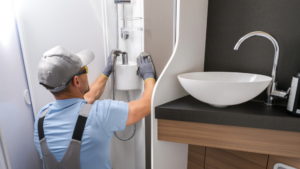
Pay special attention to high-risk areas like under sinks (check supply lines and drain connections), around the toilet (inspect the seal and water supply line) and behind the shower panel if accessible. Don’t forget to check near the water pump, water heater and inside storage compartments where plumbing lines often run. Even if you don’t see active dripping, stains or moisture mean there’s a problem.
Step 2: Monitor Your Water Pressure
Too much water pressure can stress your RV’s plumbing, leading to burst pipes or loose fittings. Most RV systems are designed for 40-60 PSI – but city water connections can sometimes exceed that. To prevent pressure-related leaks, always use a pressure regulator when hooked up to city water. A simple gauge (available at any RV store) can help you test your water pressure. If your pump is cycling too often, you may have a leak or excess pressure.
Step 3: Listen to Your Water Pump
Your RV’s water pump should only run when you’re actively using water. If you hear it cycling on and off when no faucets are open, that’s a red flag. Frequent cycling, longer-than-normal run times, or unusual noises like whining, grinding or knocking all suggest a problem. If your pump is acting up, there’s likely a leak or air in the system that needs attention.
Step 4: Check All Connections and Fittings
Loose or cracked fittings are a leading cause of RV leaks. Over time, vibrations from driving can shake connections apart. Inspect hose clamps and tighten them if loose – but don’t over-tighten, which can cause damage. Check plastic fittings for cracks or brittleness, and examine T-connectors, shutoff valves and water heater bypass valves for signs of wear. If a fitting is leaking, try tightening it slightly. If that doesn’t work, replace the washer or fitting instead of forcing it.
Step 5: Inspect Your Tanks and Valves
Your freshwater, gray and black water tanks can develop leaks at seams, valves or drain connections. Look closely at tank seams for cracks or moisture, and ensure low-point drains are fully closed. Check dump valves for proper sealing, and inspect tank vents since clogs can cause pressure issues. If you notice water pooling under your RV, the problem might be a tank leak or faulty valve.
Step 6: Test One Fixture at a Time
If you can’t find the leak, isolate each water source to narrow it down. Start by turning off all faucets and appliances, then turn on one fixture at a time – kitchen sink, bathroom faucet, shower, toilet – while watching for leaks. Listen for the water pump cycling when no water is being used. If a leak only appears with a specific fixture, you’ve found your culprit.
Step 7: Don’t Forget the Exterior
Some leaks only show up outside the RV. Check the city water inlet for drips or corrosion, inspect exterior shower connections if equipped and examine storage compartments where plumbing lines may run. If you see water dripping from beneath the RV, take a closer look at underbelly covers.
Temporary Fixes vs. Professional Repairs
If you find a minor leak, you can sometimes stop it temporarily with plumber’s tape for threaded fittings, silicone sealant for small cracks or replacement washers for dripping faucets. But if the leak is persistent or hard to reach, it’s time to call in the pros. At WMTS, we specialize in RV plumbing diagnostics and repairs.
When to Bring Your RV In
You could ignore a small drip – but why risk it? If you notice unexplained water loss, constant pump cycling, soft floors or mold growth, or leaks you can’t locate or fix, then it’s time to let us handle it. We’ll find the source, fix it right, and help prevent future issues.
Prevent Leaks Before They Start
The best way to avoid RV plumbing problems is regular maintenance. Inspect fittings before every trip, use a water pressure regulator, winterize properly to prevent freeze damage, and fix small leaks immediately.
Need Help? WMTS Has You Covered
At West Michigan Towable Solutions, we pride ourselves on being one of the best RV repair shops in West Michigan. Whether you’re dealing with a stubborn leak, electrical issues or general maintenance, our team has the expertise to get your RV back on the road. Don’t let a small problem turn into a major headache – bring your rig to us for reliable, honest service.
Stop by or give us a call today – we’re here to help!