
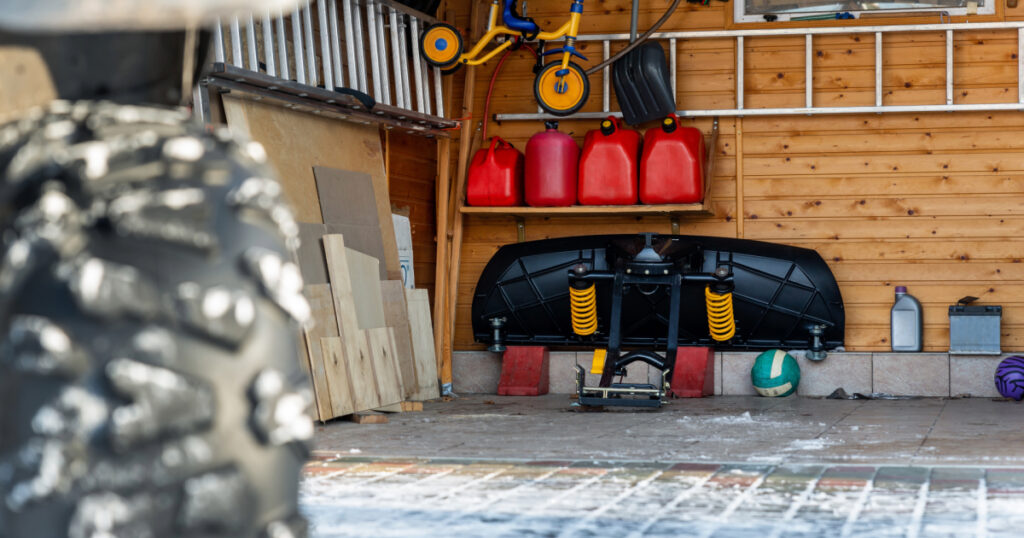
As winter fades and spring approaches, it’s time to start thinking about storing your Western snow plow for the off-season. Proper storage isn’t just a good idea, it’s essential for keeping your plow in top condition and ensuring it’s ready to tackle the first snowfall when winter returns. At West Michigan Towable Solutions (WMTS), we’ve spent years specializing in Western snow plow repair and maintenance, and we’ve seen firsthand how proper storage can make all the difference.
Let’s walk through the steps to store your plow the right way, so it stays in great shape and avoids costly repairs down the road.
Why Off-Season Storage Matters
Storing your snow plow correctly isn’t just about keeping it out of the way during the warmer months. It’s about protecting your investment. When a plow sits unused for months, it’s vulnerable to rust, corrosion and wear on critical components like hydraulics and electrical systems. Moisture buildup, UV exposure and temperature fluctuations can all take a toll if your plow isn’t properly prepared for storage. Taking the time to clean, inspect and store your plow now will save you from headaches (and unexpected repair bills) when winter rolls around again.
Step 1: Clean Your Plow Thoroughly
Before you even think about storing your plow, it needs to be clean. Road salt, dirt and debris can cause rust and deterioration over time, especially if left untouched for months. Start by giving your plow a thorough wash. Use a hose or pressure washer to remove all the grime, paying special attention to hard-to-reach areas where buildup tends to hide. Don’t forget the underside of the blade and the mounting hardware – these spots are often overlooked but can be the most vulnerable to corrosion.
Once you’ve washed the plow, dry it completely. Any leftover moisture can lead to rust, so take the time to wipe it down or let it air dry in a covered area. If you’re dealing with stubborn salt residue, a mix of water and mild detergent can help break it down. The goal is to leave your plow spotless and dry before moving on to the next step.
Step 2: Inspect for Wear and Damage
With your plow clean and dry, it’s time to give it a thorough inspection. This is your chance to catch any issues before they turn into bigger problems. Start by checking the blade for cracks, dents or signs of wear. If the cutting edge is worn down or damaged, it’s a good idea to replace it now rather than waiting until next winter.
Next, inspect the fasteners and mounting hardware. Make sure everything is tight and secure, and replace any bolts or pins that show signs of wear. Loose or damaged fasteners can lead to bigger issues down the line, so don’t skip this step.
Take a close look at the hydraulic system, too. Check the hoses for cracks or leaks, and inspect the cylinder rods for rust or pitting. If you notice any issues, it’s best to address them now. Finally, examine the electrical components, including wiring and connections, for corrosion or damage. A little time spent inspecting your plow now can save you a lot of trouble later.
Step 3: Protect the Hydraulic System
Your plow’s hydraulic system is one of its most critical components, and it needs special attention before long-term storage. Start by checking the hydraulic fluid level and topping it off if necessary. If the fluid is due for a change, now is the perfect time to do it. Old or contaminated fluid can cause damage to the system over time, so don’t put it off.
Next, inspect the hydraulic hoses for cracks, leaks or wear. If you find any issues, replace the hoses before storing the plow. Once everything looks good, coat the cylinder rods with a light layer of hydraulic fluid to prevent rust. Finally, move the blade through its full range of motion one last time to ensure everything is working smoothly. This step helps distribute the fluid and ensures the system is ready to go when you need it again.
Step 4: Disconnect and Store Electrical Components
If your Western plow has a control system or additional lighting, it’s important to disconnect the electrical components before storage. Leaving them connected can drain your vehicle’s battery and increase the risk of corrosion. Start by disconnecting the wiring harness and removing any accessories, such as lights or controllers.
Once everything is disconnected, inspect the wiring and connections for signs of corrosion or damage. If you find any issues, address them now. To protect the connections from moisture during storage, apply a thin layer of dielectric grease. This simple step can go a long way in preventing corrosion and ensuring your electrical system works flawlessly when you need it again.
Step 5: Lubricate Moving Parts
Your plow has a lot of moving parts (pivot points, pins, hinges and more) and these need to be properly lubricated before storage. Over time, these components can seize up or rust if they’re not protected. Use a high-quality grease to coat all the moving parts, paying special attention to areas that are exposed to moisture or friction.
Lubricating these parts now will help keep them in good condition while the plow sits unused. It’s a small step that can make a big difference when it comes time to use your plow again.
Step 6: Store in a Dry, Covered Location
Where you store your plow matters just as much as how you prepare it. Ideally, you’ll want to store it in a dry, covered location like a garage or storage shed. This protects it from rain, snow and UV exposure, all of which can cause damage over time.
If indoor storage isn’t an option, invest in a high-quality weatherproof cover. Look for one that’s designed specifically for snow plows, as it will provide the best protection. Make sure the cover fits snugly and securely to prevent moisture from getting in.
Step 7: Elevate the Blade
Finally, take a moment to elevate the plow blade off the ground. This helps prevent unnecessary wear on the cutting edge and ensures proper weight distribution while the plow is in storage. Use wooden blocks or jack stands to lift the blade slightly, making sure it’s stable and secure.
Get Your Plow Serviced at WMTS
By following these steps, you’ll ensure your Western snow plow is ready to perform when winter returns. It’s all about taking care of the details now so you can enjoy a stress-free plowing season later. As one of the trusted snow plow repair shops located in West Michigan, we’re here to help you every step of the way. Let’s get your plow stored the right way – because quality and reliability matter, no matter the season.