

Snow plow season typically begins with meticulous preparation: sharpened blades, tested hydraulics, and replaced lights. However, by mid-December, snow plow repair shops often observe the initial surge of urgent service calls. Those experienced in the industry are well aware that December presents more significant challenges than the rest of winter combined. But what accounts for this?
December presents the ultimate challenge for snowplow operations, leading to the most frequent breakdowns that need snow plow repair during the winter season. The primary culprit is intense pressure. This month brings the first consecutive storms, the lowest temperatures, and extended periods behind the wheel. Equipment that functioned perfectly in November often fails. Hydraulic hoses burst, cutting edges break, and pre-existing electrical problems emerge. Plow malfunctions in December are often a perfect storm of operator fatigue, extreme cold, and accumulated wear. These failures are not always due to user error.
What the First Big Storm Reveals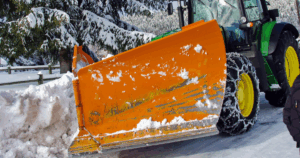
While the first snowfall is usually light and doesn’t heavily test your plow system, December storms are a different story. These wet, heavy, and relentless storms demand more from your equipment, requiring you to push greater weight, at faster speeds, for longer durations. This is precisely when common issues arise, such as weak lift cylinders failing, solenoids seizing, or hydraulic fluid thickening.
We often see problems that have been quietly building since last season: seals that never got replaced, batteries that were already weak, or fluid reservoirs that never got flushed. December doesn’t create the issue; it just exposes it. One customer told us, “It ran fine last week, but I plowed 12 hours straight during that last storm and now nothing works.” That’s the pattern. December’s storms don’t mess around, and neither should your maintenance schedule.
Cold Weather Compounds Every Issue
Subzero temperatures significantly impact mechanical performance, transforming minor issues into major breakdowns. Hoses become rigid, oil thickens, and electronics lose responsiveness. For instance, a cracked hose that held pressure in warmer conditions can burst when temperatures plummet overnight.
Even small details, like moisture in connectors, can freeze and cause electrical shorts, rendering a snowplow inoperable. Storing equipment outdoors or only briefly warming it up before use subjects the system to sudden thermal shock, which severely damages pump motors, angle rams, and mount wiring.
Missed Maintenance Leads to December Disasters
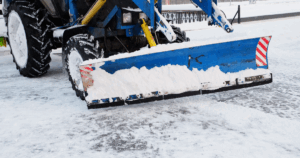
Most plow operators skip comprehensive diagnostics in October, opting for quick checks like lights, fluid levels, and greasing. By December, these minor oversights escalate into costly delays.
At WMTS, we frequently observe recurring problems like faulty power connections, leaking cylinders, and underperforming solenoids in West Michigan. While these fixes are usually straightforward, a mid-storm breakdown can result in significant losses of time, money, and even an entire route. Therefore, we emphasize that early-season breakdowns are not coincidental; they are a direct consequence of deferred maintenance.
What to Do Now to Avoid a Mid-Season Breakdown
If you’re reading this in December and your plow is still running, that’s great. But this is your warning light; get it checked before the real Michigan freeze hits. A mid-season tune-up at WMTS includes a full inspection of your hydraulics, electrical system, mount integrity, and blade wear. We’ll test lift response times, fluid clarity, and voltage flow under load, so you’re not the one calling us at 2AM when your plow won’t lift off the ground.
Every year, we help operators get back on the road fast, but we’d much rather help you stay on the road in the first place.