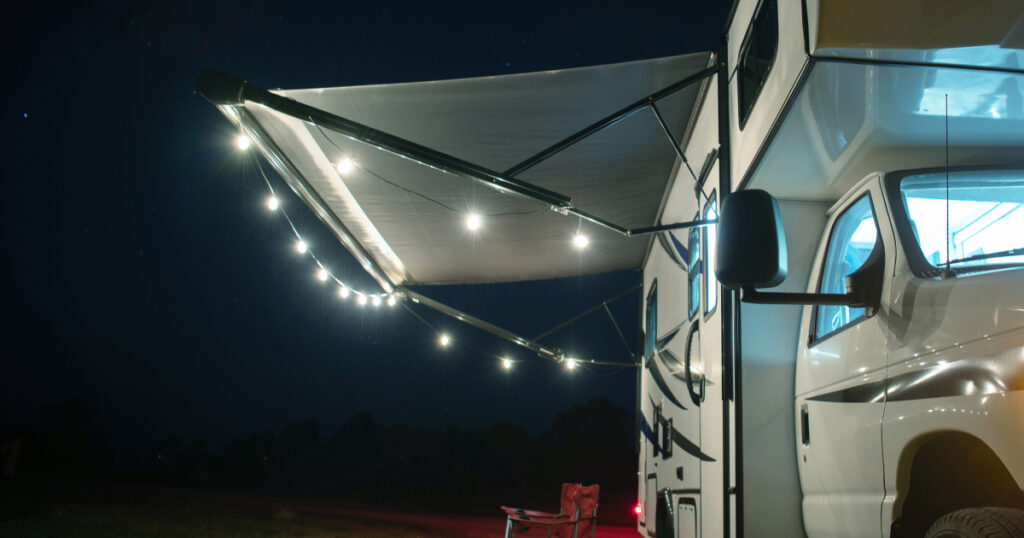
Your RV awning is more than just a piece of fabric, it’s your shield against the sun, rain and wind, creating a comfortable outdoor space wherever you park. But like any part of your RV, an awning requires care and attention to stay in top shape. Without proper maintenance, it can wear out faster than you’d expect, leading to costly repairs or replacements.
With a little effort and the right habits, you can significantly extend the life of your RV awning. Below, we’ve put together a comprehensive guide filled with practical tips to help you protect your investment and keep your awning functioning beautifully for years to come. Whether you’re looking to prevent damage or need advice on RV awning repair, we’ve got you covered.
1. Keep It Clean and Dry
Dirt, debris and moisture are your awning’s biggest enemies. Over time, these elements can cause stains, mildew and even fabric deterioration. To prevent this, make cleaning your awning a regular part of your RV routine. After every trip, take a few minutes to brush off any dirt or debris using a soft-bristle brush or broom. For a deeper clean, use mild soap and a garden hose with a gentle spray setting every few months. Scrub gently with a soft brush or sponge, then rinse thoroughly.
Never roll up a wet awning. Moisture trapped inside can lead to mold, mildew, and fabric damage. If it rains or your awning gets wet from morning dew, let it air dry completely before retracting it.
Vinyl awnings are more resistant to mildew but can crack in cold weather, so use a vinyl-specific cleaner to maintain flexibility. Acrylic awnings, while breathable and UV-resistant, are more prone to mildew, so ensure they’re completely dry before storage.
2. Watch the Weather
Your awning is designed to handle mild weather conditions, but it’s not invincible. Strong winds, heavy rain or snow can put unnecessary stress on the fabric and frame, leading to tears, bent arms or even complete detachment. Always check the weather forecast before leaving your awning extended. If high winds or storms are predicted, retract it immediately.
Some newer RV models come with automatic awning retractors that respond to wind sensors. If your awning doesn’t have this feature, consider investing in an aftermarket wind sensor for added protection. Even if the weather seems calm, keep an eye on changing conditions – sudden gusts can catch you off guard.
Electric awnings often come with built-in wind sensors, but it’s still a good idea to manually retract them during severe weather to avoid motor strain.
3. Roll It Up When Not in Use
Leaving your awning extended for long periods might seem convenient, but it can lead to premature wear and tear. Prolonged exposure to UV rays can fade and weaken the fabric, while dirt, bird droppings, and tree sap can accumulate on the surface. Over time, the fabric can also stretch and sag if left extended for too long.
Make it a habit to retract your awning whenever you’re not actively using it. This simple step can save you from costly repairs down the road.
Manual awnings require a bit more effort to retract, but the process is straightforward. Always ensure the fabric is evenly rolled to avoid uneven wear. Electric awnings, while convenient, rely on motors that can wear out if overused. Avoid excessive retracting and extending to prolong motor life.
4. Inspect for Damage Regularly
Regular inspections are key to catching small issues before they become big problems. Before and after trips, take a few minutes to examine your awning for signs of wear. Look for frayed edges, small tears or loose stitching in the fabric. Check the arms, brackets and bolts for any signs of bending, rust or looseness.
While your awning is extended, keep an eye out for unusual sagging, uneven tension or difficulty retracting. These could be signs of underlying issues. If you spot any damage, don’t wait to fix it. Small tears can quickly grow, and loose bolts can lead to structural problems.
For electric awnings, pay attention to the motor’s performance. If you notice unusual noises, slow operation or failure to retract, it may be time to inspect or service the motor.
5. Use Proper Support
If you plan to leave your awning extended for an extended period, proper support is essential. Adjustable support poles can help reduce strain on the awning arms and frame, especially in windy conditions. Use tie-down straps or awning anchors to secure your awning to the ground, adding stability and preventing flapping in the wind. Position your awning at a slight downward angle to allow rainwater to run off instead of pooling on the fabric.
6. Lubricate Moving Parts
The moving parts of your awning – like the arms, hinges and brackets – need regular maintenance to function smoothly. Every few months, apply a silicone-based lubricant to the moving parts to prevent sticking, squeaking and corrosion. Avoid using heavy grease, as it can attract dirt and debris, leading to buildup and potential damage. If you notice any rust on metal components, clean it off and apply a rust inhibitor to prevent further corrosion.
Electric awnings have additional moving parts, including motors and gears. While lubricating the arms and hinges, avoid applying lubricant directly to the motor unless specified by the manufacturer.
7. Store It Properly for the Off-Season
If you’re storing your RV for the winter or an extended period, take extra care to protect your awning. Clean and dry it thoroughly before storing to prevent mold or mildew. Ensure the awning is fully retracted and locked in place, and consider using an awning cover for added protection against dust and moisture.
Before storing your electric awning, test the motor to ensure it’s functioning properly. If you notice any issues, address them before the off-season to avoid surprises when you’re ready to hit the road again.
8. Avoid Overloading
Your awning is designed to provide shade and light protection, not to hold heavy objects. Avoid hanging things like wet towels, lanterns or other heavy items from the awning, as this can strain the fabric and frame. If you use accessories like awning lights or screens, make sure they’re lightweight and properly installed.
Know When to Seek Professional Help
Even with the best care, awnings can experience wear and tear over time. If you notice persistent issues, like difficulty retracting, significant fabric damage or structural problems, it’s time to call in the experts. At WMTS, we specialize in RV maintenance and repairs, offering some of the best RV repair services in West Michigan. Whether you need a simple adjustment, fabric replacement or a full awning repair, our team has the expertise to get the job done right.
Remember, a little effort goes a long way. With proper care and attention, your awning will continue to enhance your adventures for years to come.
Safe travels!