
If you’ve ever been out plowing in the middle of winter, you know how frustrating it is when something goes wrong with your equipment. Hydraulic leaks are one of the most common issues snow plow operators face, and they can bring everything to a halt. At West Michigan Towable Solutions, we understand how costly downtime can be, and we want to help you keep your Western snow plow in top shape. So today, we’re sharing some practical tips to help prevent hydraulic leaks and keep you plowing smoothly all winter long.
Understanding Hydraulic Leaks
Before we get into prevention, let’s talk a little about why hydraulic leaks happen. Your Western snow plow uses a hydraulic system to lift, angle, and adjust the blade. This system relies on hydraulic fluid that’s kept under pressure. When there’s a leak, you lose pressure and fluid, which means your plow won’t work properly.
Most hydraulic leaks are caused by damaged seals, worn hoses, or loose connections. The good news is that with proper care and maintenance, a lot of these issues can be avoided. By understanding what causes leaks, you can take steps to reduce the risk and keep your equipment in great shape.
Regular Inspection and Maintenance
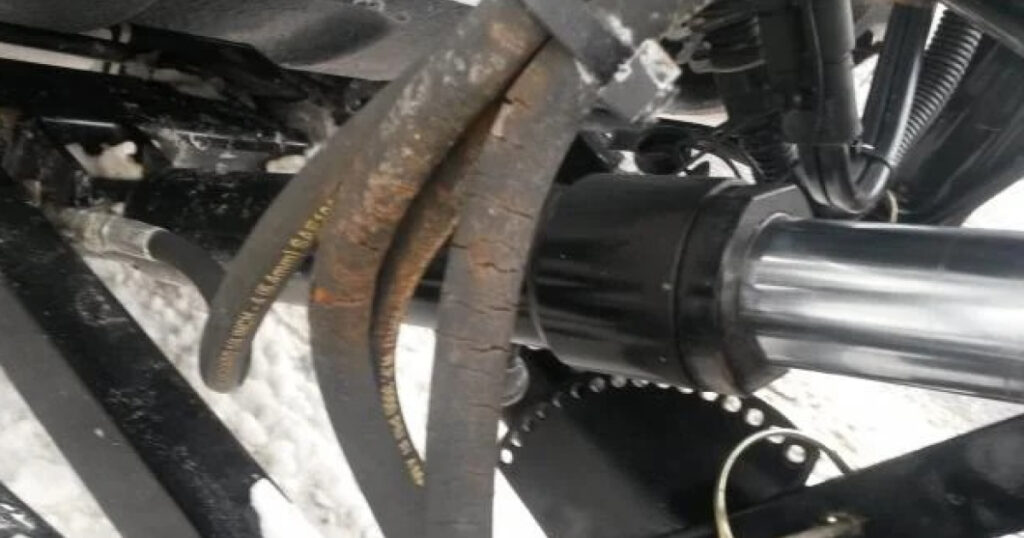
One of the best ways to prevent hydraulic leaks is to inspect your snow plow regularly. Just like any piece of equipment, your Western snow plow needs regular care to perform well. Before each use, take a few minutes to check the hydraulic lines, fittings, and connections. Look for signs of wear or damage, like cracks, fraying, or leaks. Catching these issues early can save you a lot of trouble later on.
Make sure all fittings are tight, but don’t overtighten them. Over-tightening can damage the threads and lead to leaks. Use a clean cloth to wipe down the hydraulic lines and connections so you can easily spot any new leaks that might show up.
Replace Worn or Damaged Parts
Hydraulic hoses and seals don’t last forever. Over time, they wear out, especially with the tough conditions that come with snow plowing. A key to preventing hydraulic leaks is to replace worn or damaged parts before they fail. If you notice a hose that looks cracked or a seal that seems worn, replace it right away—don’t wait until it becomes a bigger issue.
Keeping some spare parts on hand is a smart move. If you notice a hose that’s starting to wear out, you can swap it out quickly without waiting for a replacement. Being proactive like this can save you from unexpected downtime and keep you out there plowing instead of waiting on repairs.
Use the Right Hydraulic Fluid
Another common cause of hydraulic leaks is using the wrong type of hydraulic fluid. Your Western snow plow is designed to use a specific kind of hydraulic fluid, and using anything else can lead to problems. Make sure you’re using the recommended fluid for your plow. The right hydraulic fluid will help keep the seals and hoses in good condition, which reduces the risk of leaks.
Cold weather can also affect hydraulic fluid. When temperatures drop, the fluid can thicken, making it harder for the system to work properly. In extremely cold conditions, consider using a low-temperature hydraulic fluid that’s designed for winter use. This type of fluid will flow better in the cold and help keep your plow running smoothly.
Protect Hoses from Damage
Hydraulic hoses are exposed to some tough conditions when you’re out plowing—they’re dealing with freezing temperatures, road debris, and constant movement. Protecting your hoses can make a big difference in preventing leaks. Use protective sleeves or guards on the hoses to shield them from damage. Make sure the hoses are routed properly so they’re not rubbing against sharp edges or getting pinched while you’re plowing.
When hooking up your plow, double-check that the hoses are connected properly and aren’t twisted or kinked. Twisted hoses are more likely to wear out and develop leaks, so taking a few extra moments to check can make a big difference.
Store Your Plow Properly
How you store your snow plow when it’s not in use can also affect the likelihood of hydraulic leaks. At the end of the season, take some time to properly prepare your plow for storage. Make sure all hydraulic fluid is topped off, and store the plow in a dry place away from the elements. Moisture can cause rust, which can damage hydraulic components and lead to leaks.
It’s also a good idea to cycle the hydraulics a few times before storing the plow. This helps spread the hydraulic fluid evenly and ensures there’s no air trapped in the system. By taking these steps, you give your snow plow the best chance of staying leak-free while it’s in storage.
Know When to Call the Experts
While there’s a lot you can do to prevent hydraulic leaks, sometimes a leak is just unavoidable. If you’ve tried everything and you’re still dealing with a leak, it might be time to visit a snow plow repair shop. At West Michigan Towable Solutions, we offer Western snow plow repair services and can help get your plow back in working order.
A professional can diagnose the issue and make sure it’s fixed properly, so you don’t have to worry about it happening again. It’s always better to get expert help rather than risk further damage to your plow or deal with repeated leaks.
Keep Your Snow Plow Running Smoothly
Preventing hydraulic leaks in your Western snow plow is all about regular maintenance and paying attention to the details. By inspecting your plow regularly, replacing worn parts, using the right hydraulic fluid, protecting your hoses, and storing your plow properly, you can reduce the risk of leaks and keep your equipment running smoothly.
If you need help with your snow plow or are looking for a reliable snow plow repair shop, West Michigan Towable Solutions is here for you. We take pride in providing top-quality Western snow plow repair services to keep you up and running all winter long. Don’t let hydraulic leaks slow you down – take action now to keep your snow plow in top condition and ready for whatever winter throws your way.